









$80-$200/hr actuarial and risk modeling work, on your schedule
Review a model's pricing and reserving the way you'd review work before signing an actuarial opinion. Flag the assumption that won't hold, the reserve that's light, the model that misprices the tail.
Trusted by top research companies




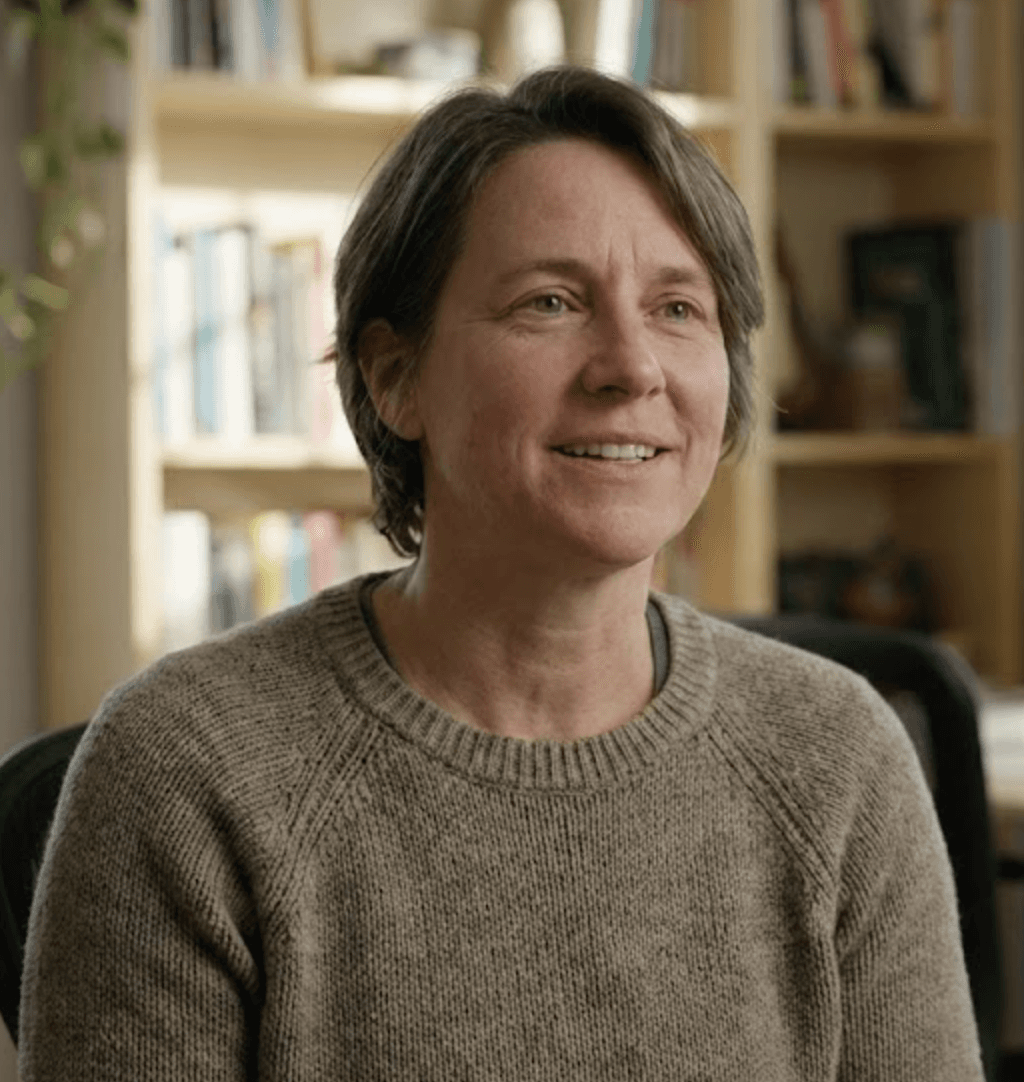
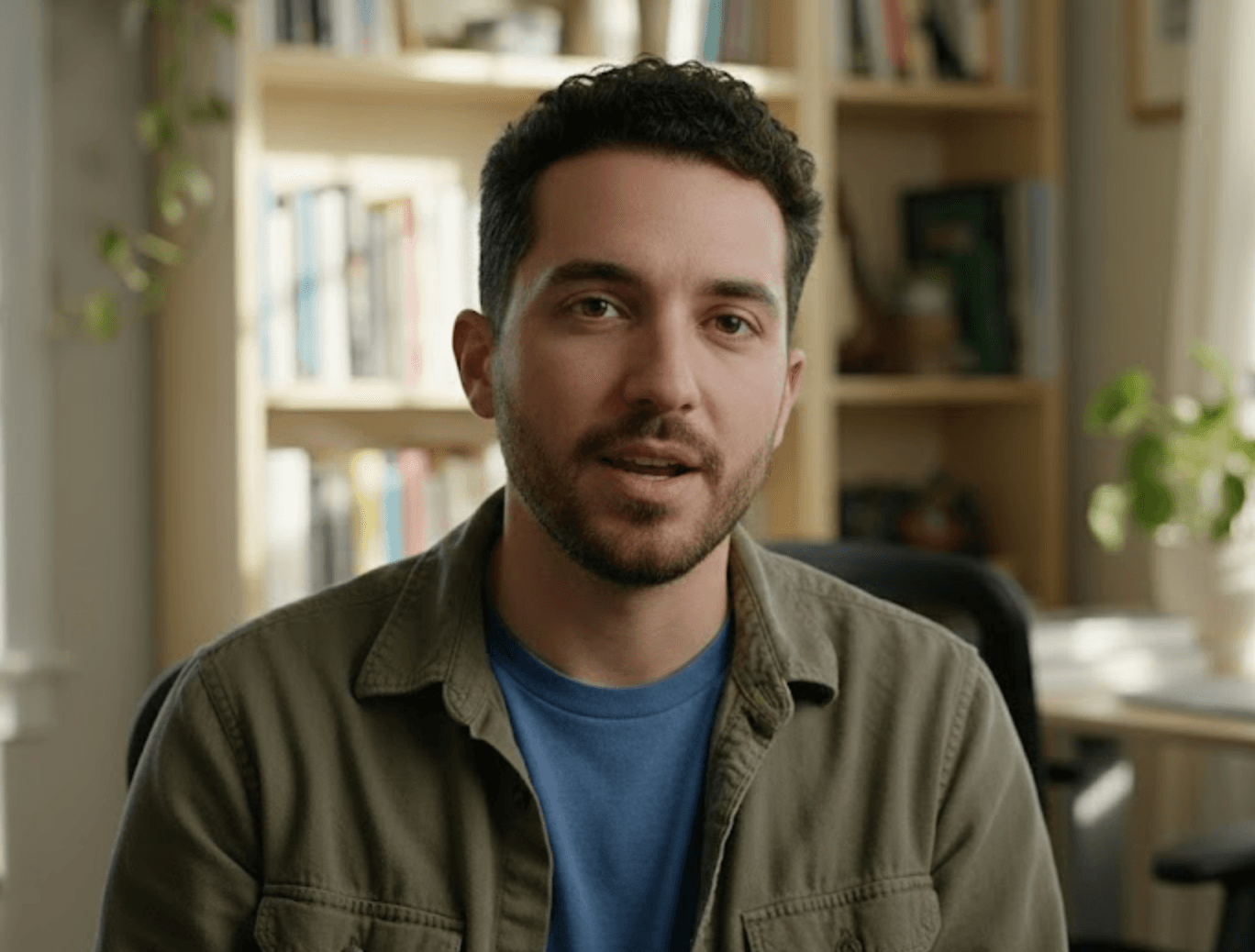
Hi, we're Zac and Jack, the founders of Terac. We want to talk to you directly, because you are the most important part of what we're building.
Terac is a community of experts. People who have spent years getting good at something specific and hard. The world is about to need more of you, not less. As AI takes on more of the world's work, the bottleneck shifts to the people who actually know what they're talking about.
Expert labor is the rarest resource in the world right now, and it is shockingly hard to find. The companies that need an actuary's eye on an under-reserved book spend weeks chasing people, paying placement fees, and settling for whoever is available. Meanwhile thousands of qualified people are sitting with knowledge that no one ever asks for.
That gap is what we're here to close. Every project that lands on Terac is routed to the people who actually know the answer, on their schedule, paid fairly, and only when the work is verified. No middleman taking a cut of your time. No vague gigs. No chasing checks.
We care about every single person in this community. If you join Terac, you're not a row in a database to us. We read the feedback. We answer the emails. We will fight for you when a customer is being unreasonable, and we will be honest with you when something on our side is broken. The quality of this panel is our entire company, and we owe you a serious bar.
If you've made it this far, here is what we're asking: claim your profile. Put your expertise on the record. Let the world's most ambitious teams come find you for the work only you can do.
Actuarial questions
Still curious? Write to us at support@terac.com.
Pension work is genuinely useful, especially funding method explanations, actuarial equivalence, and PBGC premium logic. That said, the broadest current demand is in P&C reserving and life/health pricing, so you may see fewer matching tasks in the pension space. Note your specialty during onboarding and you'll be routed where your knowledge applies.
No. Every task is self-contained and uses synthetic data, public industry data (NAIC Schedule P triangles or published SOA tables), or hypothetical scenarios. You're never asked to reference anything from your employer's systems or filed materials, so the ASOPs and your confidentiality obligations are not implicated.
Common formats include AI-drafted memoranda on reserve methodology, chain-ladder or Bornhuetter-Ferguson walkthroughs, narrative mortality or morbidity assumptions, and answers to hypothetical regulator questions. You assess whether the reasoning is sound, whether the correct ASOP is applied, and whether the conclusions follow from the assumptions.
Yes. Non-traditional roles are valuable because models are increasingly tested at the intersection of actuarial judgment and methods like GLMs, cat model interpretation, and predictive analytics. Your CAS credential is the core qualification; title matters less than your ability to judge whether actuarial reasoning is defensible. Exposure rating and model validation fit well.
The work is evaluative and educational, not actuarial services to a principal under the Code. You don't sign opinions, certify reserves, or advise a client; you assess whether an AI's explanation is accurate. If a task ever asked you to produce a signed opinion or formal actuarial communication, that would be out of scope and you'd decline it, but no such tasks are assigned here.
Why your expertise matters
Today's actuarial AI gives plausible answers that violate SOA/CAS standards, misapply credibility weighting, or ignore jurisdictional limits. The failure modes are subtle, and a non-actuary never catches them. Your call on whether a reserve recommendation would survive a state DOI review or peer review by a Fellow is the signal these tools need.
How pay works
Top of the band goes to credentialed Fellows (FSA or FCAS) with depth in complex lines: structured settlements, long-tailed liability, life reinsurance pricing, or principle-based reserving under VM-20. All work is remote and asynchronous. You pick up tasks on your schedule and are paid after the work is verified, with no lock-in.
What the work looks like
A sample of the actuarial and risk modeling work you would pick up. Every project is scoped, remote, and paid on verified completion.
- Evaluate a model's loss reserve report for a workers' comp book and flag where the selected development factors deviate from actuarial standards without justification.
- Review an AI explanation of the Bornhuetter-Ferguson method and correct any misstatements about how prior loss ratios are selected and blended with emerging experience.
- Annotate a model's mortality improvement scale for a pension valuation, catching where it conflates MP-2021 projection factors with static period tables.
- Build a worked credibility-weighted rate indication for a small commercial auto book, showing the reasoning an actuary uses when data is thin.
- Assess whether a model's actuarial opinion paragraph on loss reserves meets ASOP No. 36 disclosure requirements and the relevant SAO standards.
- Stress-test a model's cat reinsurance pricing by finding scenarios where layer attachment probability is inconsistent with the cited return period.
Specialties we match
Actuarial projects span a wide range of focus areas. Tell us where you go deep and we route the work that fits.
- Reserving (loss development, Bornhuetter-Ferguson)
- Pricing and rate adequacy analysis
- Mortality and morbidity modeling
- Credibility theory (Buhlmann, EBCT)
- Principle-Based Reserving (VM-20, VM-22)
- Stochastic modeling (ESG, scenario testing)
- Catastrophe modeling (RMS, AIR)
- Experience studies (lapse, mortality, morbidity)
- Regulatory filings (NAIC, state DOI)
- Embedded value and EV reporting
- Reinsurance structures and treaty analysis
- Excel/VBA, R, Python actuarial workflows


