









$60-$160/hr clinical psychology and therapy work, on your schedule
Review AI-drafted therapeutic responses, risk assessments, and clinical reasoning the way you'd supervise a trainee: catch the missed suicidality cue, the rapport-rupturing reply, the boundary that can't be crossed. Fully remote, a few hours a week, paid per task.
Trusted by top research companies




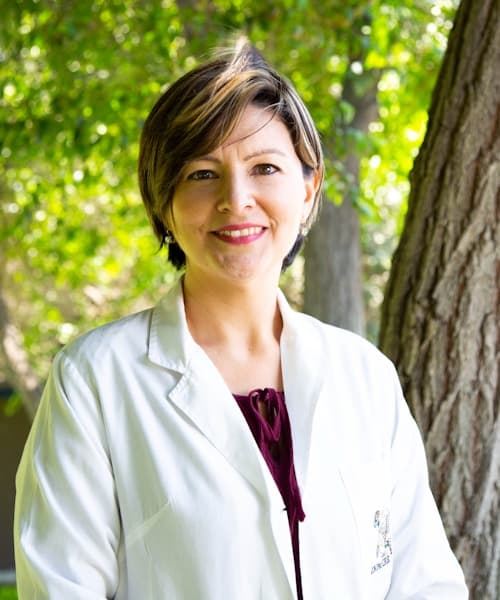
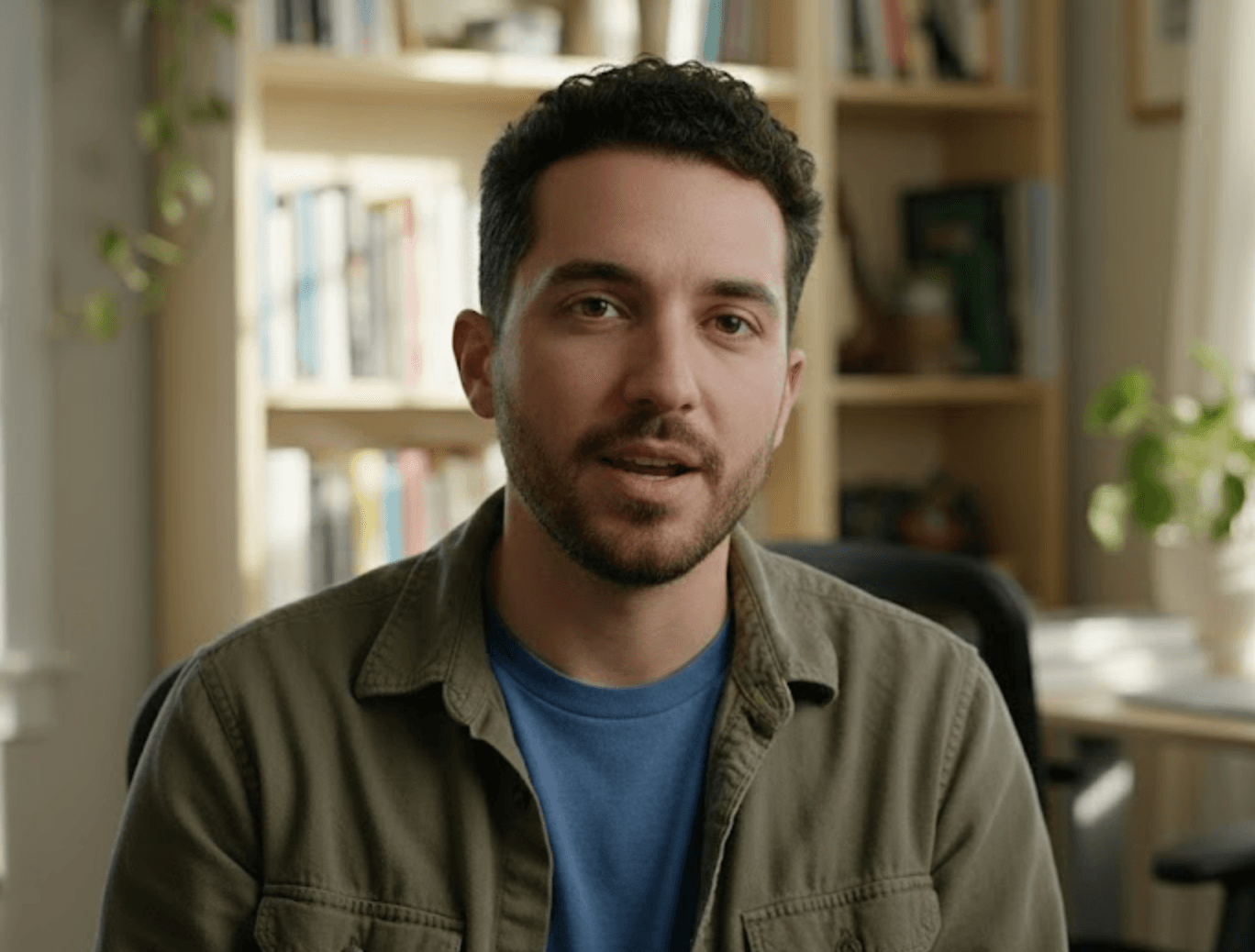
Hi, we're Zac and Jack, the founders of Terac. We want to talk to you directly, because you are the most important part of what we're building.
Terac is a community of experts. People who have spent years getting good at something specific and hard. The world is about to need more of you, not less. As AI takes on more of the world's work, the bottleneck shifts to the people who actually know what they're talking about.
Expert labor is the rarest resource in the world right now, and it is shockingly hard to find. The companies that need a therapist's eye on a missed risk cue spend weeks chasing people, paying placement fees, and settling for whoever is available. Meanwhile thousands of qualified people are sitting with knowledge that no one ever asks for.
That gap is what we're here to close. Every project that lands on Terac is routed to the people who actually know the answer, on their schedule, paid fairly, and only when the work is verified. No middleman taking a cut of your time. No vague gigs. No chasing checks.
We care about every single person in this community. If you join Terac, you're not a row in a database to us. We read the feedback. We answer the emails. We will fight for you when a customer is being unreasonable, and we will be honest with you when something on our side is broken. The quality of this panel is our entire company, and we owe you a serious bar.
If you've made it this far, here is what we're asking: claim your profile. Put your expertise on the record. Let the world's most ambitious teams come find you for the work only you can do.
Mental Health questions
Still curious? Write to us at support@terac.com.
Sub-specialty depth is what makes you valuable. Models trained on generalist text fail precisely on ARFID differentials, trauma-informed CBT adaptations, or the OCD-body dysmorphia overlap, and your field-specific reasoning corrects that. You'll see tasks concentrated in your documented expertise, not spread across all of mental health.
Your role is evaluative and instructional, not therapeutic. You critique machine-written content - whether a model's case conceptualization fits DSM-5-TR, whether an intervention is contraindicated - rather than treat any real person. Tasks are designed to fall within the expert consultation the APA Ethics Code recognizes, not psychotherapy.
Licensed master's-level clinicians - LCSWs, LMFTs, LPCs, LMHCs - qualify for most tasks, especially technique review, case formulation, and diagnostic reasoning within scope. Doctoral psychologists (PhD, PsyD, EdD) also get testing-expertise tasks like reviewing WAIS-IV or MMPI-3 narratives. Active U.S. licensure is what we verify.
Typical work: reviewing AI-drafted case conceptualizations, judging model psychoeducation against CBT, DBT, or ACT frameworks, and annotating whether a suggested treatment plan fits APA or SAMHSA guidelines. You may also write worked examples of expert reasoning - say, differentiating bipolar II from borderline personality using DSM-5-TR specifiers.
Yes. ABPP board certification in clinical neuropsychology qualifies you, and assessment-focused practitioners are especially needed for testing content. Relevant work: judging a model's interpretation of a neuropsych battery, reviewing machine-written explanations of executive function deficits, and annotating AI psychoeducation about TBI, dementia, or ADHD. No psychotherapy background needed.
Why your expertise matters
Today's mental health AI misses when minimizing language masks acute risk, slaps on a diagnosis too loosely, and answers in ways that escalate instead of de-escalate. Catching that takes judgment built under real clinical supervision, not a dataset. Your corrections teach these tools to reason safely across risk, diagnosis, and duty-to-warn.
How pay works
Licensure-level work - judging crisis formulations against Columbia criteria, auditing plans for APA ethics - pulls toward the top of the $60-$160/hr range. Forensic, neuropsych, DBT or EMDR, and child specializations command more. Fully remote, paid per verified-completion hour, no retainer or minimum.
What the work looks like
A sample of the clinical psychology and therapy work you would pick up. Every project is scoped, remote, and paid on verified completion.
- Flag steps in an AI-drafted safety plan for passive suicidal ideation that break Zero Suicide guidelines.
- Score a model's case conceptualizations against DSM-5-TR, noting where it conflates adjustment with major depression.
- Write a worked example of a motivational interviewing session for co-occurring alcohol use disorder and PTSD.
- Catch language in AI-drafted DBT psychoeducation that could feel invalidating to an emotion-dysregulation group.
- Audit AI therapy summaries for HIPAA-safe phrasing and flag any re-identifiable detail.
- Pick which of two model intakes for a child with school refusal better separates separation anxiety from mood disorder.
Specialties we match
Mental Health projects span a wide range of focus areas. Tell us where you go deep and we route the work that fits.
- CBT / DBT / ACT protocol expertise
- Crisis risk assessment (Columbia, SAD PERSONS)
- DSM-5-TR differential diagnosis
- Trauma-informed care (EMDR, CPT)
- Motivational interviewing
- Psychopharmacology awareness
- Neuropsychological assessment
- Child and adolescent psychotherapy
- APA ethics code
- HIPAA and mandated-reporter law
- Forensic psychological evaluation
- Integrated behavioral health


